Growing on YouTube
How the YouTube algorithm really works
Almost everything people say about “the algorithm” is wrong in a way that costs you: the belief that it pushes your video out. It does the opposite — it pulls each viewer toward what they're most likely to enjoy. Grasping that inversion changes how you think about every video, and shows why the lever isn't a settings trick: it's the quality that holds attention.
~11 min read
1. The inversion that changes everything: the algorithm PULLS, it doesn't push
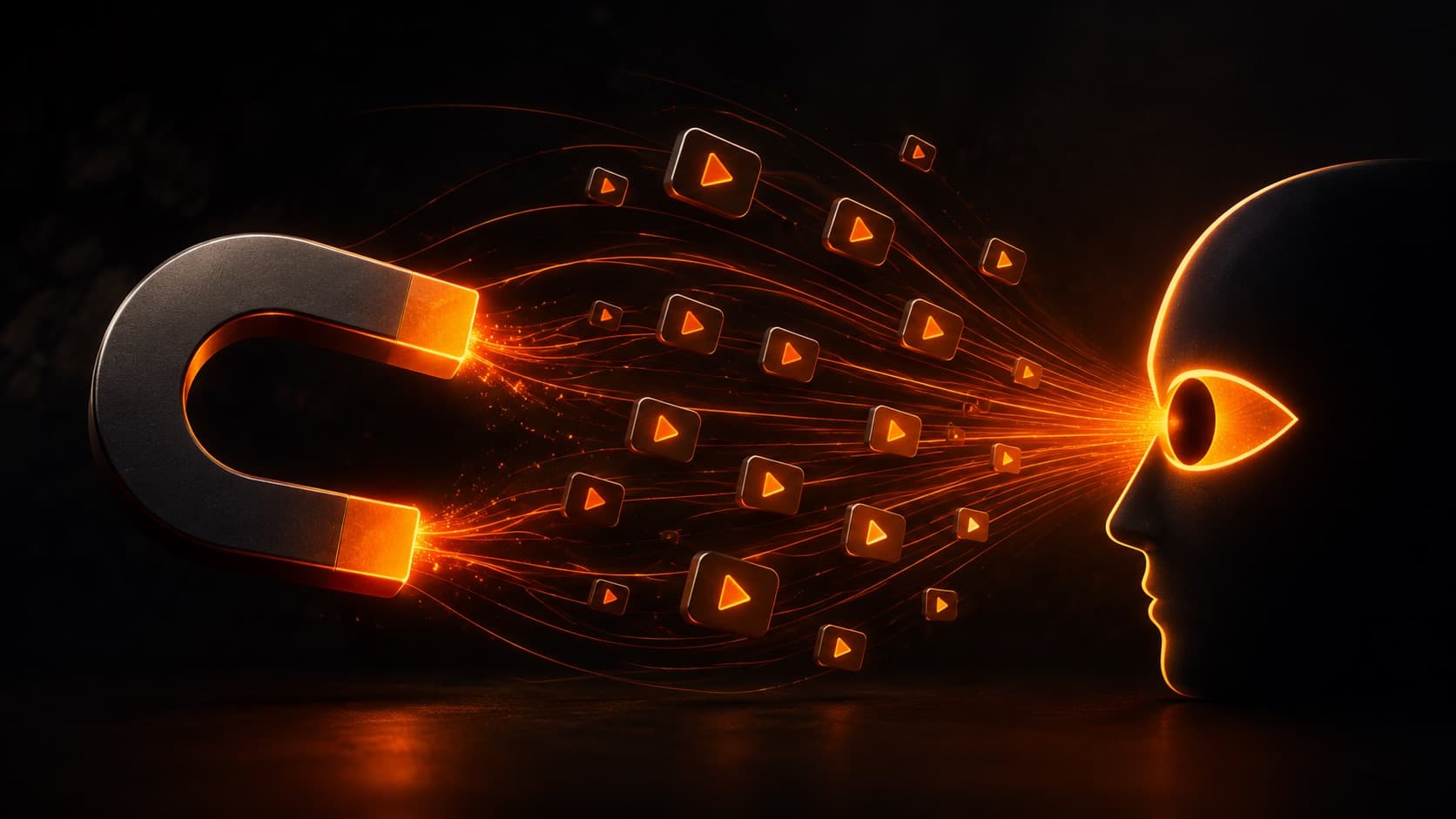
YouTube's head of discovery puts it this way: the system isn't so much concerned with “pushing the video out” as with pulling, for each viewer, the content that will leave that person satisfied today. When someone opens YouTube, the machine's question isn't “what new videos exist?” — it's “what is this person most likely to watch and enjoy right now?”
The upshot is freeing: you're not competing for a generic push. You're competing to be the right choice on a specific viewer's personalized menu. To build that menu, YouTube compares your habits with those of similar people (and says it learns from over 80 billion signals) — which is why it can recommend you even to someone who's never seen you, if people like them enjoyed it. And there isn't “one” algorithm — every place your video can appear decides in its own way:

- Home — driven mainly by your watch history — it's the pure discovery storefront. Lots of impressions, a 100% personalized decision.
- Suggested (the “next video”) — uses the video the person is watching NOW as the main signal, combined with their history. It's where the topical relationship between videos weighs most.
- Search — triggered by the explicit intent of someone looking for something. It's the surface that rescues videos months or years later — your “evergreen” content lives here.
- Shorts feed — personalized by interest and consumption signals, NOT by subscription. A separate model from long-form video (see section 6).
2. What the algorithm really measures (and what's vanity)
It combines two questions: will they click? (the packaging) and will they leave satisfied? (the experience). The second is the one that rules today.
- CTR and retention are inseparable — the click-through rate (CTR) measures whether the title and thumbnail get the person to click; retention measures whether they stay. Back in 2011 YouTube realized a click isn't satisfaction — so in 2012 it began prioritizing watch time (and accepted losing ~20% of views to reward value instead of bait).
- Satisfaction became the judge — YouTube measures how the person FELT: post-video surveys (a 1-to-5 rating), likes, shares, comments, the “not interested” buttons — and, above all, whether they COME BACK. A returning viewer is the most valuable signal.
- Session time — the system also values keeping the person on YouTube AFTER your video. Your video is judged in part by what it does for the viewer's whole journey, not just on its own.
- Vanity — view counts and subscriber counts do NOT rank a video — they're a result, not a cause. The weight of each signal is still contextual: efficiency (a short, on-point video) sometimes counts more than total watch time.
3. How a new video gets tested — and why that's freeing
YouTube shows the video first to a small, relevant audience, and expands as the response comes in (CTR, retention, satisfaction). If the signals are good, reach grows in waves: from the close niche to neighboring topics, and from there to the broad audience.
And here lies one of the most misunderstood truths: your subscribers don't see everything you post — and that's on purpose. YouTube openly admits that people skip most of the videos in their subscriptions feed. Being subscribed has influence, but it doesn't force the system to show you to someone who's lost the habit of watching. It's not a punishment: it's the algorithm protecting the satisfaction of the person on the other side.
4. The myths that hold the creator back
| The myth | What YouTube/reality say |
|---|---|
| “Tags make you rank” | Minimal role. The title and thumbnail weigh far more. |
| “There's a magic time to post” | No universal optimum — Search and Browse rescue the video later. |
| “If it didn't take off in 24h, it's dead” | False. Evergreen wakes up with demand. Don't delete it. |
| “Changing format confuses the algorithm” | YouTube says experimenting doesn't confuse it or hurt the channel. |
| “There's an ideal length” | Official: there isn't. There's retention. |
| “The algorithm hates small channels” | False. It's an audience fit, not a size one. A weak video doesn't punish the channel. |
5. What really works: promise + delivery
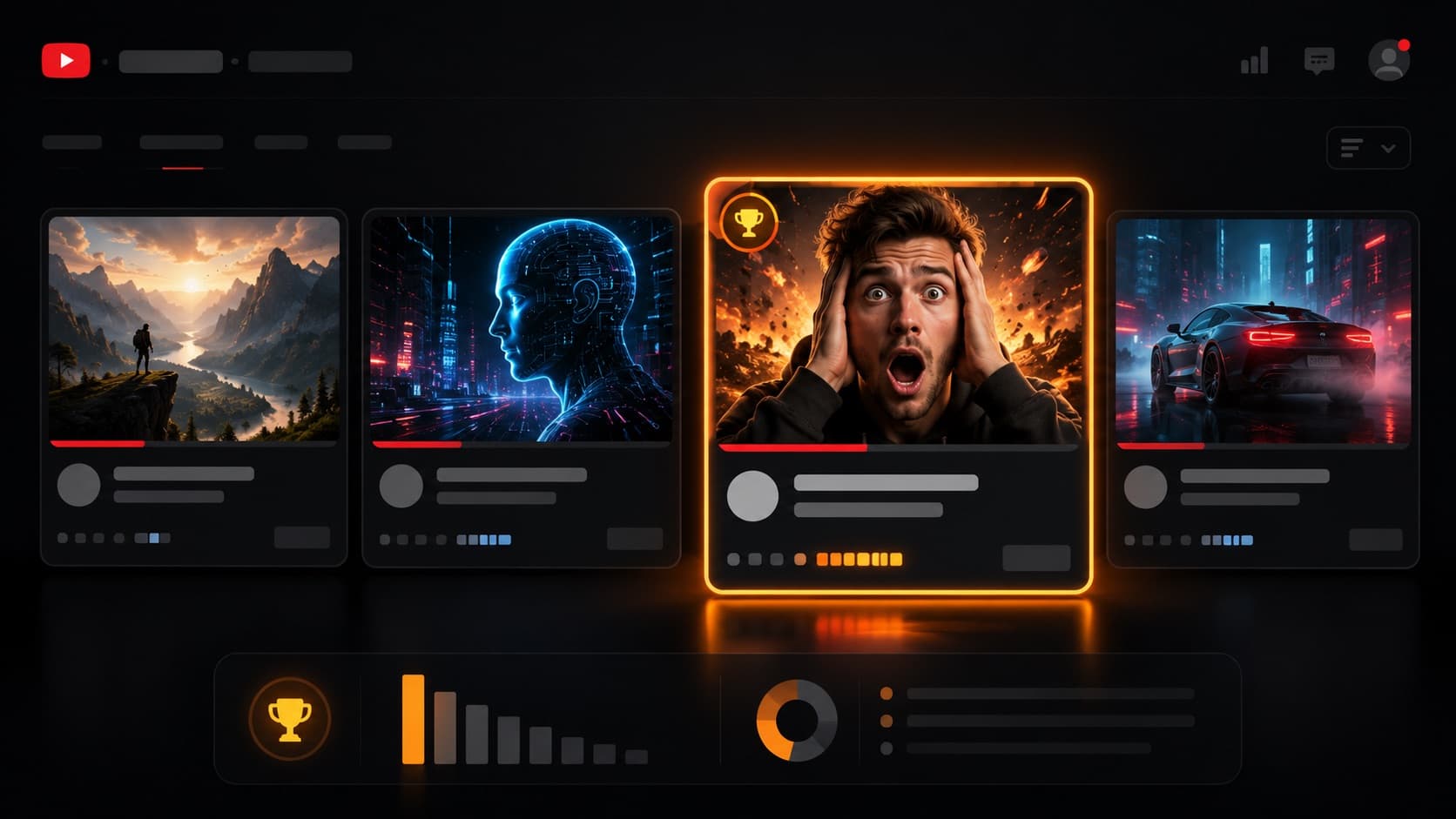
The title and thumbnail are a contract: they promise something. The video has to deliver. The packaging buys the click — but what decides whether YouTube will recommend the video again is what happens after it: retention. The cycle is simple and relentless:
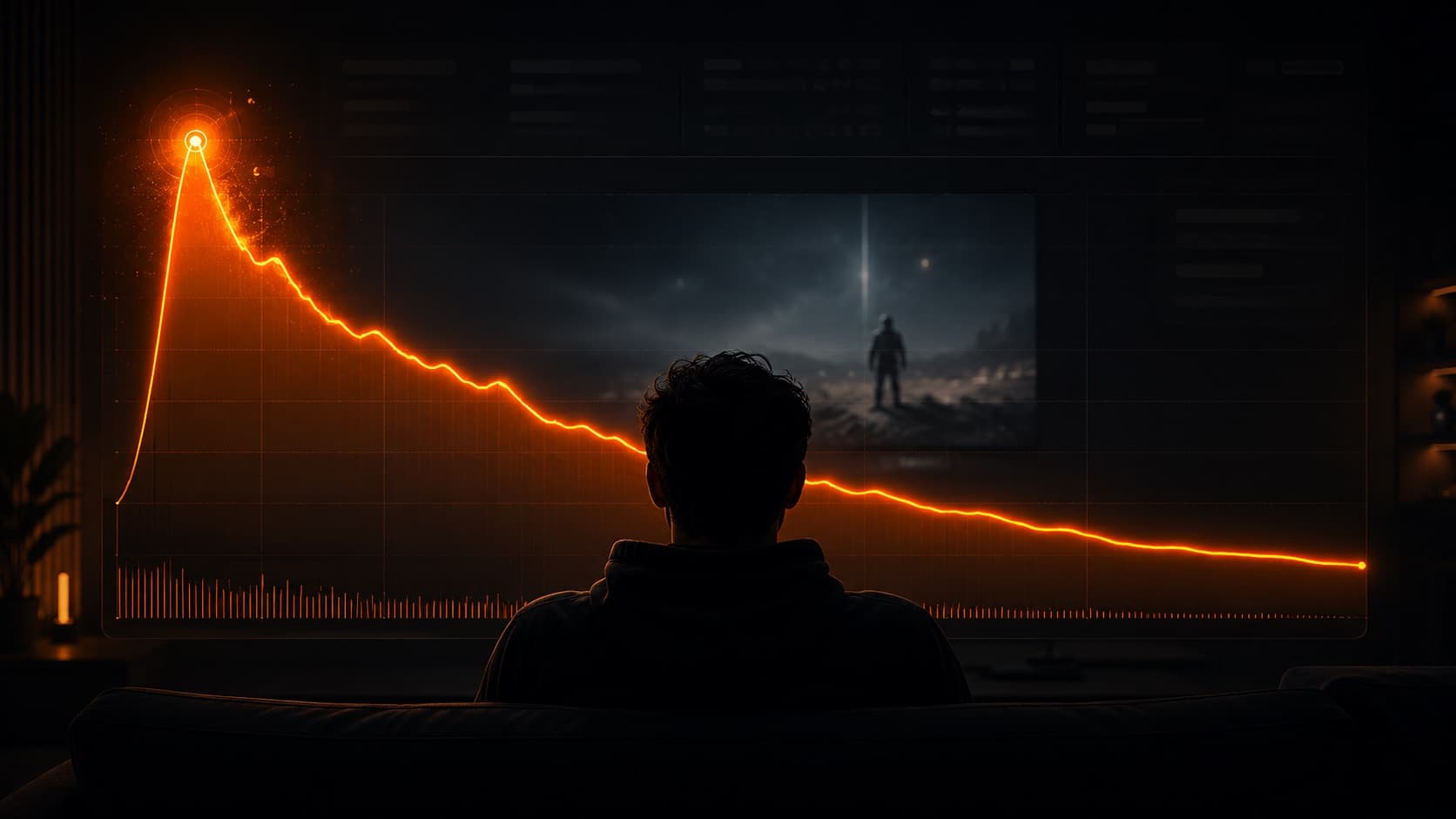
That's why the strongest lever isn't a setting — it's retention, which in practice is production quality: a hook in the first few seconds, pacing that doesn't let the person slip away, clarity that delivers what the title promised. YouTube itself looks at retention across videos, tying each delivery to loyalty across the whole channel. How to measure and act on it is the entire subject of our guide to how to read YouTube Analytics, and the opening tactic is in holding the first few seconds.
6. Shorts and long-form video are two different games
They're separate recommendation models. The Shorts feed is driven by interest and consumption signals (how fast the person swipes away in the first few seconds, completion rate, replays, shares) — almost nothing by subscription. Long-form video emphasizes CTR, average duration and session time, with the title and description weighing more.
The common mistake is to think Shorts “supercharge” the channel on their own. They're a discovery funnel; long-form video is where you build retention and a relationship. One pulls the other only when you design the bridge on purpose — with matched topics and clear calls to action. More on that in the Shorts strategy guide and in how to repurpose one shoot into several pieces of content.
7. The trick of the trade: the algorithm rewards what no money buys easily
The 2026 algorithm stopped rewarding tricks — tags, timing, bait, subscriber count — and started rewarding one thing only: the viewer's real satisfaction. And satisfaction, in practice, is retention: a hook that holds, a pace that doesn't tire, a promise kept, a session so good the person keeps watching afterward.

All of this is production and editing work. The thumbnail buys the click; the edit decides whether YouTube will recommend it again. For anyone competing for attention globally — and who wants to earn from it — hiring someone who masters retention and packaging isn't a vanity expense: it's matching directly with the algorithm's number-one signal. That's exactly the work HEY JOE does: turning your footage into a video that holds attention — and holding attention is the number-one signal the algorithm rewards.
Quick questions
Does the YouTube algorithm “push” my video out to everyone?
No. According to YouTube's own team, the system doesn't push a video out to an audience — it pulls, for each viewer, the content most likely to satisfy that person in that moment. You're not competing for a push; you're competing to be the right choice on each person's personalized menu.
How many tags do I need to rank?
Tags play a minimal role in discovery — they mainly help with common misspellings. The title, the thumbnail and, above all, what happens AFTER the click (retention and satisfaction) weigh far more. Time spent optimizing tags is time taken from what actually moves the video.
Why don't my subscribers see all of my videos?
It's by design, and YouTube admits it openly: most viewers skip a large share of the videos in their subscriptions feed. Being subscribed has influence, but it doesn't guarantee showing up on anyone's Home — the system weighs the person's current viewing habit, not just the fact that they once clicked “subscribe.”
If a video doesn't take off in the first 24 hours, is it dead?
No. Early performance influences distribution, but Search and Browse rescue videos weeks, months or years later — evergreen content “sleeps” and wakes up when the topic trends. Deleting and re-uploading almost never helps: you throw away the signals the video already accumulated.
Is there an ideal video length?
YouTube is explicit: there's no optimal length. What exists is retention. A short video with high retention beats a long video with low retention. Make the video last as long as it can hold attention — no more, no less.
Does the algorithm hurt small channels?
No. YouTube states that a video's poor performance doesn't penalize the channel, and that it recommends by matching a viewer to the content they're most likely to watch and enjoy — it's an audience fit, not a size one. New channels get a reach test; what decides is the fit, not the subscriber count.
Does monetizing the channel give a reach “boost”?
No. YouTube states that recommendations don't prioritize videos for being monetized. Turning on monetization changes your revenue, not your reach.
Do Shorts help my long-form videos grow?
Not automatically. Shorts and long-form videos have separate recommendation models — the Shorts feed is driven by interest, not by subscription. A strong Short only pulls the long-form video if you design the bridge: matched topics, end screens and a clear value proposition that makes the viewer want more.
Sources
- How recommendations work (YouTube Help) — the system “pulls” per viewer; signals by surface.
- What's good to know about recommendations (YouTube Help) — no ideal length; a weak video doesn't punish the channel; subscribers skip videos.
- About the recommendation system (blog.youtube) — history of CTR, watch time and satisfaction.
- How the system works in 2025 — Todd Beaupré (Search Engine Journal) — “pull for each viewer,” the context of the signals.
Understanding the algorithm lifts the burden of chasing tricks and gives the focus back to what matters: making a video people want to finish. While you tune the packaging (thumbnail and title) and read your data in Analytics, the part of turning footage into a video that holds attention is on HEY JOE.