Creator business
Is it worth hiring a professional editor?
Most people decide this on a calculator: “that guy charges a bit less.” And it's exactly that math — done from the wrong end — that makes a creator lose money. This piece isn't here to talk you into hiring anyone. It's so you understand what a good editor really is, and why. In the end, the conclusion is yours.
~15 min read
1. The math that makes you lose money
The scene is always the same. You compare two editors by their monthly price, see that one charges a bit less, do the math for the year and think: “there, I saved.” It looks smart. It's actually one of the most expensive mistakes a creator makes — and to understand why, we first need to look closely at what a real editor does. Hold that figure in your head: by the end, we redo it, and the result flips into the opposite of what it seemed.
2. There's an Oscar for Best Editing — and that says it all
Stop on this for a second: among all the crafts of cinema, the Academy created an award just for editing — since 1935, at the birth of sound film. Not out of kindness. It's because editing isn't the film's pretty finish; it's where it's decided whether the film works. And there's a number that proves it in a way that's hard to ignore:
And here's the part that surprises anyone who's never thought about it: the editor even makes the actor act better. The performance you see on screen is the one the editor chose and timed — the best take out of dozens, the cut to the face at the exact instant, the reaction held half a second longer so the emotion lands. Walter Murch, the most respected editor in cinema (he cut “Apocalypse Now” and “The Godfather”), teaches that more than half of what makes a cut work is emotion — above technique, above everything. Thelma Schoonmaker, who has edited Scorsese's films for over 40 years, thanked Robert De Niro for a performance that was “pure gold to work with” — but she's the one who decides which gold the audience sees.
Want the most famous proof? “Star Wars” (1977) had a poor first cut that was badly received at a screening for the director's friends. They changed the editing team — and it restructured the whole film. The result won the Best Editing Oscar and became the classic you know. The film wasn't born finished on set. It was edited together. Without that edit, “Star Wars” might not even exist as we know it.
3. The same is true on your channel (smaller scale, but it's the same)
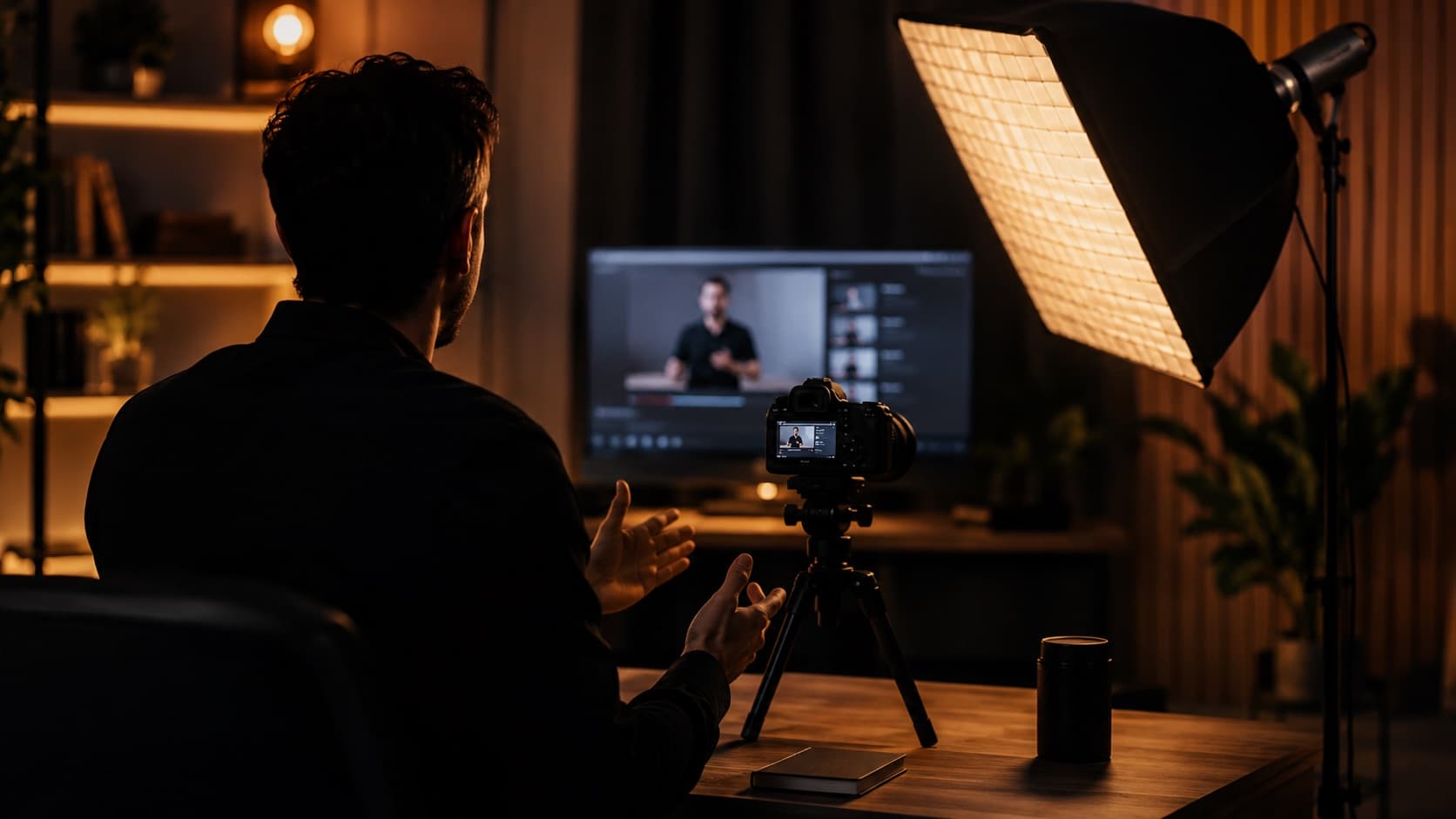
You're not making cinema — but the logic is exactly the same. A good editor doesn't “stitch clips”: he edits the content. He drops the sentence that came out confusing, cuts the dead air, reorders to make sense, saves the line you fumbled. He shows initiative: he feels that a b-roll, a graphic, a sound is missing there — and adds it, even without you asking. He understands what you meant without needing you to spell it all out. He's your first audience and the second pair of eyes that sees what you, standing too close, can't. The same footage, in the hands of two different editors, becomes two different videos — one flat, one that grips.
And the best result comes from partnership, not a revolving door. The world's greatest directors don't switch editors: Scorsese and Schoonmaker, 40 years together; Steven Spielberg and Michael Kahn — the editor of “Indiana Jones,” “Schindler's List” and “Saving Private Ryan,” holder of the second-most Best Editing Oscar nominations in history. Why don't they switch? Because the editor who knows your style thinks the video through with you and delivers what ten cheap, rotating freelancers never will.
4. What you buy isn't “editing” — it's peace of mind
When you hire a good editor, what comes off your back isn't just a task. It's a whole world of worry that stops being yours:
- You don't become an editor — really learning to edit takes 1 to 2 years of practice — not the “two weekend tutorials” — and the tools change constantly, with a new version and feature every year for you to chase.
- You don't pay for software forever — a Premiere is a subscription that never ends; a Final Cut or a DaVinci is a one-time purchase of a few hundred dollars (more, once you factor in local taxes and exchange rates). The editor already has all of it.
- You don't buy an expensive computer — editing in 4K demands a beefy machine — lots of memory, a strong graphics card, fast storage — not an everyday laptop.
- You don't lose your nights — no endless scrubbing on the timeline, no becoming the manager of a process, no praying it'll “turn out okay” the night before you post.
In place of all that, you buy back the scarcest thing you have: your focus. Your hours go back to doing what only you can do — record, create, sell, live. That's the real saving, and it never shows up on the price-per-month calculator.
5. And it doesn't stop there: a good editor makes you earn more
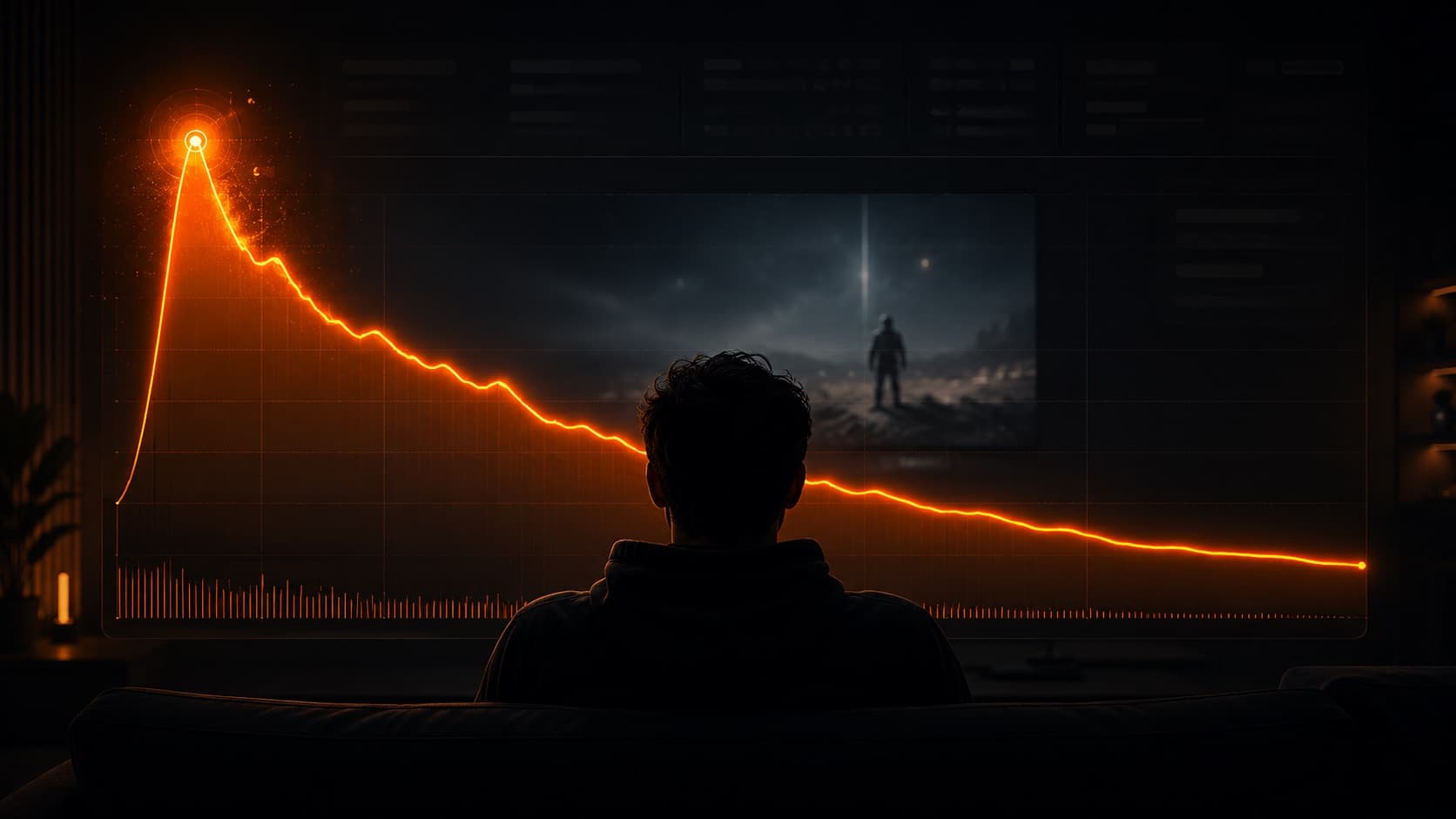
Most people think “the editor improves the video.” The truth is stronger: he sits upstream of everything you earn. The retention he builds becomes reach, reach becomes audience — and it's the audience that feeds all of your revenue streams at once. For most creators, AdSense (the ads) is the smallest slice; the bulk comes from sponsorships, your own course or product, affiliates. And brands pay more for a channel that looks professional and holds attention. The editor doesn't add one revenue stream: he improves the audience that feeds all of them.
There's also the catalog effect. When a well-edited video takes off, new subscribers don't stop there — they binge your older videos. YouTube recommends based on each person's history and how much of each video they watch, so a video that holds pulls your entire library back onto the radar. A strong edit today brings videos you published months ago back to life. A good editor doesn't improve one video: he raises the floor of the whole channel. And the video doesn't die in 48 hours — it stays up, found in search and suggestions, for months and years. It's an asset that earns on its own.
6. Now the opening math, redone: cheap ends up expensive
Remember the saving that looked smart? Look at what it charges back. You save a little on the editor and pay for it in redos and tweaks on work that came out poorly. You pay in lost timing, because the cheap option works at whatever pace it likes, vanishes halfway through and delays your posting. You pay in quality that nosedives — the most treacherous way to be expensive: it starts pretty on the first videos and, once they tire or get comfortable, slackens (lazy cuts, sloppy audio, “good enough”). And you pay the costliest price of all, the one you never even see: the reach and income that flat video never brought. Cheap doesn't save — it puts a ceiling on your channel. The price difference disappears in the first week; the ceiling stays.
7. The proof no one tells you about: quality breeds loyalty
There's something the good editors know and the cheap ones never understand: good clients come back. They can disappear for a year, two — and they come back. Because quality is hard to replace, and trust isn't traded for a price difference. And this isn't just a feeling: according to the Harvard Business Review, keeping a customer costs 5 to 25 times less than winning a new one, and raising retention by just 5% can lift profit by 25% to 95%. Loyalty studies point to trust as the source of most loyalty, and to quality as the main reason people stay with who they already know.
That's why the right math was never the one about expense. The right editor isn't a cost you cut to save — he's almost a partner: someone who makes you earn more, who holds your videos' quality over time (it doesn't drop on the tenth, nor the hundredth), and whom you keep because it pays off. In the end, the edited video IS the product you sell and monetize. Skimping on it is skimping on your own business — like a restaurant cutting corners on the cook, when the food is everything. A good editor isn't an expense. It's the thing that makes the rest worth it.
8. Why HEY JOE
If you got this far understanding that a good editor is an investment — almost a partner — that's exactly what HEY JOE is. Here it's always the same editor, no outsourcing: zero rotating pool, a consistent style, with more than 9,100 videos edited by a proven hand. A standard that doesn't drop — the bar is the same on video 1 and video 100, almost always above what the client expected. And the peace of mind that takes your fear away: your own client portal where you upload the footage, track the status of each video, see the deadlines and keep everything organized in one place — full transparency, never left in the dark. A long-term partner, not a freelancer-lottery.
Quick questions
Why hire an editor instead of editing it myself?
Because editing it yourself was never free — it's your time, your most expensive resource. An experienced editor spends 30 to 60 minutes of editing per finished minute; a 10-minute final video can be 7 to 10 hours at your desk. On top of that, you skip learning to edit (1 to 2 years to get good), paying for software every month, buying a powerful machine and becoming the manager of the process. Hiring isn't spending — it's getting your hours and your focus back.
Does an editor just cut video, or more than that?
Far more — cutting is the smallest part. Walter Murch, the most respected editor in cinema, teaches that more than half of what makes a cut work is emotion. In practice, the editor edits the CONTENT: drops the confusing sentence, saves the fumbled line, reorders, and takes the initiative to add the b-roll, the graphic or the sound the video needs — even without you asking. That's why a Best Editing Oscar exists: editing is where it's decided whether the story works.
Can an editor really improve a performance / a delivery?
Yes — and it surprises anyone who doesn't know the craft. The performance (or your delivery on camera) that the audience sees is the one the editor CHOSE and timed: the best take, the cut to the face at the right instant, the reaction held half a second longer. The final performance is, in large part, built in the edit. That's why the same footage can become a flat video or one that grips — it depends on who edits it.
Is it worth paying more for a good editor?
It is — because cheap ends up expensive. The cheapest editor charges less and charges it back in redos, tweaks, missed deadlines and quality that drops over time (starts well and slackens once they tire). And the worst cost is the one you don't see: the reach and the income that the flat video never brings. The right math isn't an expense, it's an investment — the video is an asset that pays off for months and years.
Does a good editor really help me EARN more, or is it just quality?
It helps you earn more — and from every direction. The editor sits upstream of your income: the retention he builds becomes reach, reach becomes audience, and the audience feeds ALL of your revenue streams at once (sponsorships, your own course, affiliates, AdSense — which for most creators is the smallest slice). Brands pay more for a professional channel. And there's the catalog effect: one great video that takes off sends new subscribers to binge your older library — a strong edit lifts the whole channel, not just one video.
How do I know my videos won't be late / that I won't be left hanging?
That's the point that separates a partner from a freelancer-lottery. Look for a dedicated editor (the same person every time), clear deadlines and revision rounds, and a way to TRACK the progress. Steer clear of anyone who works at whatever pace they like, vanishes halfway through, and lets the quality drop over time.
Why do people say “good clients come back”?
Because quality breeds loyalty. According to the Harvard Business Review, keeping a customer costs 5 to 25 times less than winning a new one, and raising retention by 5% can lift profit by 25% to 95%; loyalty studies point to trust and quality as the main reasons people stay with who they already know. In practice: a good editor is hard to replace, so the client comes back — even after some time away. The right editor isn't a vendor you swap out: it's a relationship you keep because it pays off.
Sources
- Academy Award for Best Film Editing (Wikipedia) — it has existed since 1935; for 33 years (1981-2013) every Best Picture was also nominated for Best Editing.
- Walter Murch's “Rule of Six” (StudioBinder) — why emotion is more than half of what makes a cut work — above technique.
- Thelma Schoonmaker, Scorsese's editor (Wikipedia) — 9 nominations and 3 editing Oscars; “pure gold to work with.”
- How “Star Wars” was saved in the edit (Marcia Lucas, Wikipedia) — a poor rough cut → the team restructured the film → Best Editing Oscar.
- The value of keeping the right customers (Harvard Business Review) — retaining costs 5 to 25× less than acquiring; +5% retention → +25-95% profit.
- How YouTube recommends videos (YouTube Help) — recommendations come from history and how much a person watches — which is why a strong video pulls the whole catalog.
- Creator economy statistics (DemandSage) — creator income is multi-stream — AdSense is usually the smallest slice.
- How long it takes to edit a video (Tasty Edits) — the ratio of 30–60 min of editing per finished minute.
- How long it takes to learn editing (Noble Desktop) — 1 to 2 years of practice to become a competent editor.
- Watch time and recommendation (Ignite Visibility) — why retention/watch time drive reach.
In the end, hiring a good editor is less about price and more about peace and payoff: your time back, videos that grip and pay off for months, and the calm of working with a partner, not a lottery. While you take care of what only you can do, the part of turning footage into a video that holds — with deadlines, standards and transparency — is on HEY JOE. If you sell online courses, the trust bar matters even more — and if your goal is a brand video that sells, see brand video and VSL.