Grow on YouTube
YouTube SEO: how to get found (and YouTube listens to your video)
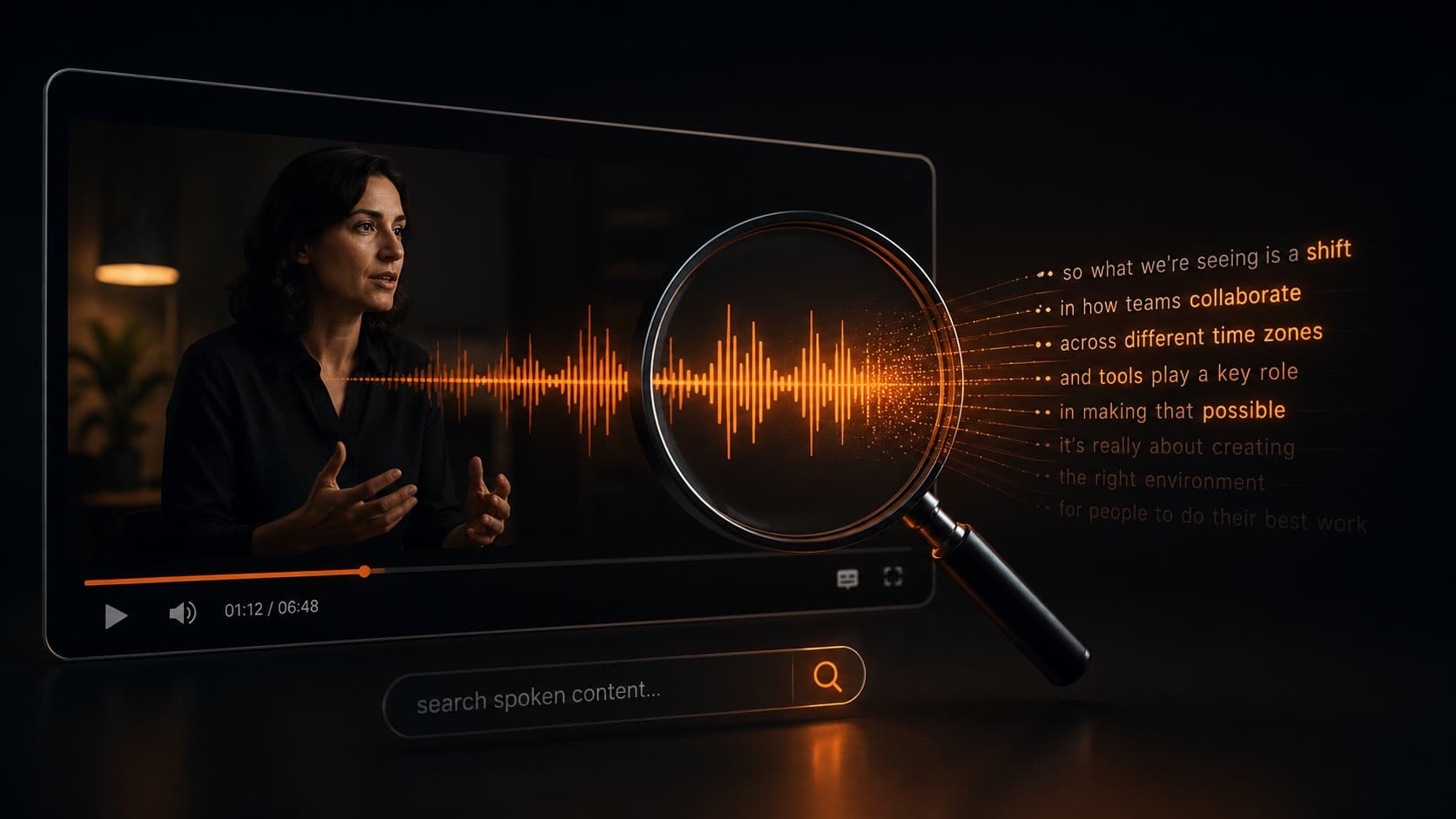
Most people think YouTube SEO is stuffing the video with tags. It isn't. Today YouTube READS and LISTENS to your video — it transcribes your speech and understands what it's about. Knowing that changes everything: the secret isn't in some hidden field, it's in what you say, in the title that promises, and in the delivery that pays it off.
~10 min read
1. How Search ranks (and why it “listens” to you)
YouTube officially says Search prioritizes three things: relevance (how well the title, description and the content of the video match the query), engagement (whether the people who searched for it actually watched) and quality (the channel's authority on the topic).
And don't confuse Search with Suggested: Search is “pull” (people look with intent); Suggested and Home are “push” (YouTube pushes). SEO optimizes Search — but the two run on the same fuel, retention and satisfaction, as the algorithm guide explains.
2. Find demand before you hit record
The Research tab in Studio shows what your audience (and YouTube) is searching for, with volume — and flags content gaps (topics with heavy demand and little good supply). Add to that YouTube's search autocomplete (every suggestion is real demand). The rule: build for a question people type, not for a word you happen to like.
3. Title, description and chapters
- Title — put the main term at the start (mobile cuts off around 60 characters) and then the promise for the human. Beware of clickbait: if the video doesn't deliver, retention drops and YouTube suppresses distribution.
- Description — the first 1–2 lines are the ones that show before the “Show more” — put the keyword in the first sentence, naturally. No keyword stuffing (it violates spam).
- Chapters / timestamps — first at 00:00, at least 3 in order, each ≥10s. They improve retention (people jump to what they want) and can become “key moments” in Google search — each section ranking for a question.
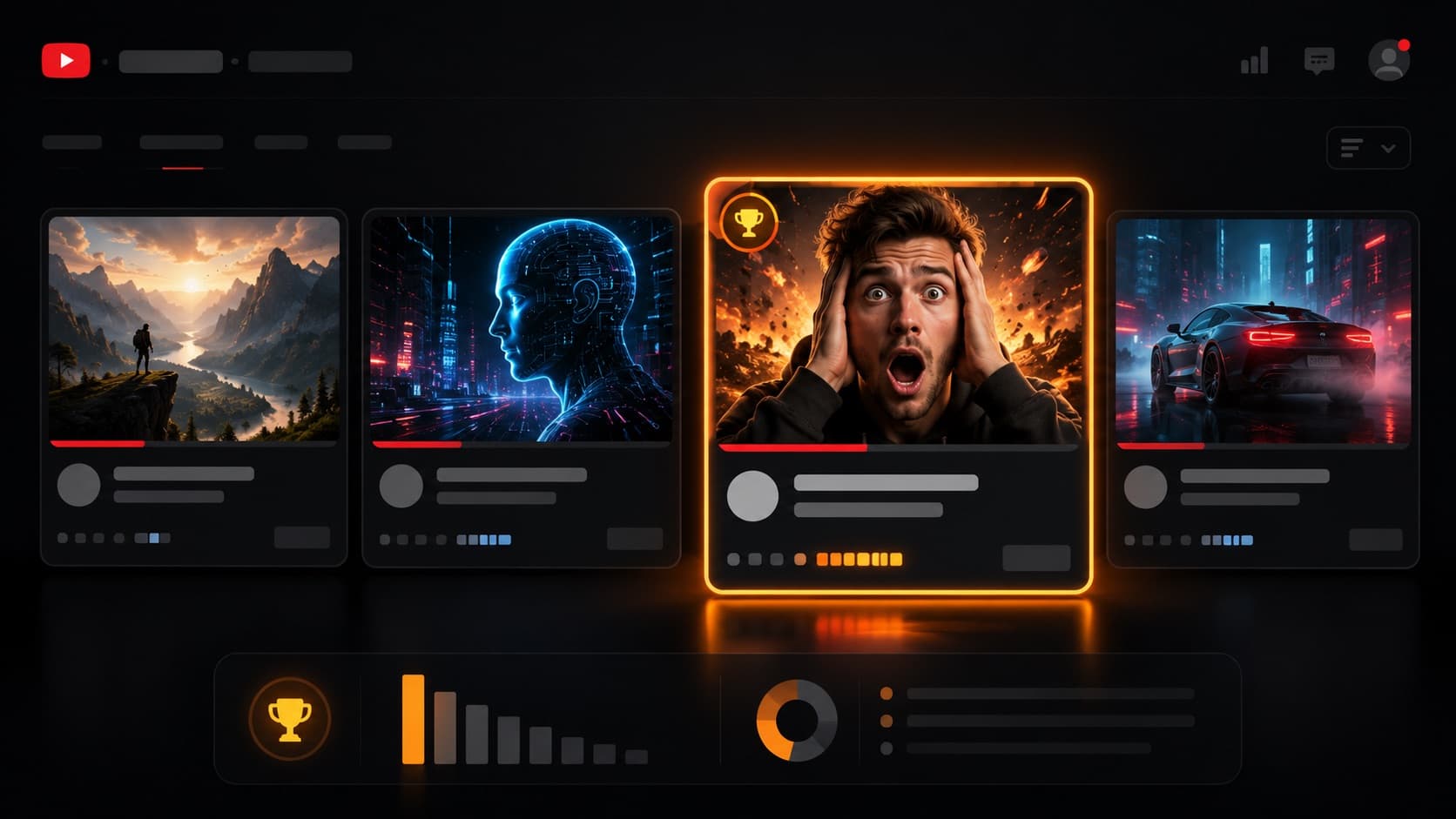
The packaging that decides the click (thumbnail + title) has its own guide: thumbnail and title.
4. The tag myth
Direct quote from YouTube: tags play a “minimal role” in discovery — they mainly help when the topic is commonly misspelled. Title, thumbnail and description weigh far more. Hashtags play a limited role (and too many TURN the effect OFF). Spend your time on what you say and what you write in the first lines, not on a list of tags.
5. Captions and multilingual reach (the international lever)
- Captions get indexed — caption text is crawlable — there's a classic case of a video that ranked for a phrase that only existed in the caption. And captions raise retention (a lot of people watch on mute), which is an official signal.
- Translating title and description — gets the video FOUND in searches in other languages and makes the card show up translated. Around 60% of YouTube views come from non-English-speaking countries — translating opens that door. It's the biggest reach lever for anyone who wants an international audience.
- Dubbing — YouTube now creates audio tracks in other languages (including automatic, AI-generated, with a voice that mimics your own tone in Portuguese and Spanish).
6. Playlists, evergreen and why the video ranks months later
- Playlists — chain videos together (more session time) and become another indexable surface. Great for series and evergreen content.
- Evergreen vs. trending — trending is a spike that fades; evergreen is steady demand that renews itself (tutorials, “how-to,” case studies). For anyone who lives off video, evergreen is the compounding asset.
- Longevity — search is ongoing demand — if the video satisfies that question, YouTube keeps serving it for months or years.
7. The trick of the trade: SEO is the bucket, retention is the water
You can optimize title, description, chapters, captions and multilingual to perfection and still leak it all if the video doesn't hold. YouTube ranks on relevance + engagement + satisfaction — and satisfaction weighs more than raw watch time. SEO wins the click; retention is what makes YouTube keep ranking you.
And retention is editing: pacing, clarity, a hook in the first seconds, clean audio. Discovery without retention is a leaky bucket — which is why professional production isn't a luxury aesthetic, it's the variable that makes your SEO compound instead of evaporate. The SEO, the description and the publishing stay with you; the part of turning the recording into a video that holds — the water that doesn't leak out of the bucket — is what HEY JOE delivers.
Quick questions
How many tags do I need to rank on YouTube?
Very few. YouTube literally says tags play a “minimal role” in discovery — they mainly help with common misspellings. Title, thumbnail, description and, above all, what you SAY in the video weigh far more. Spend minutes on tags, not hours.
Does YouTube read the content of my video?
Yes — it automatically transcribes your speech (voice recognition) and uses that text as a relevance signal. In practice, what you SAY becomes discovery. Say the keyword out loud, early and naturally, instead of relying on the metadata fields alone.
Where do I put the keywords in the title and description?
In the title, put the main term in the first characters (mobile cuts off around 60). In the description, the first 1–2 lines are the ones that matter (they show before the “Show more”) — use the keyword in the first sentence, naturally. Keyword stuffing violates the spam policy.
Do chapters (timestamps) help you get found?
Yes, in two ways. They improve the experience (people jump to the part they want → more retention) and they can become “key moments” in Google search, where each section ranks for a different question. Official requirements: first timestamp at 00:00, at least 3 in order, each at least 10 seconds long.
Do captions improve SEO?
They help on two fronts: caption text is indexable (a video has shown up in searches for a phrase that only existed in the caption) and accessibility raises retention, which is an official signal. And translating your title and description gets the video FOUND in searches in other languages — the biggest lever for international reach.
Why does an old video sometimes take off months later?
Because search is ongoing demand: people keep typing that question. If your video satisfies that search, YouTube keeps serving it — for months or years. That's the power of evergreen content (tutorials, “how-to,” case studies), which renews itself.
Are SEO and the recommendation algorithm the same thing?
No. Search is “pull” (someone looks with intent). Suggested and Home are “push” (YouTube pushes based on the current video and the viewer's history). SEO optimizes Search; but most views come from push — and the two share the same fuel: retention and satisfaction.
Sources
- How YouTube search works (YouTube Help) — relevance, engagement and quality.
- Add tags to your videos (YouTube Help) — “tags play a minimal role in discovery.”
- Video chapters (YouTube Help) — official requirements (00:00, at least 3, ≥10s).
- Translate your title and description (YouTube Help) — get found in searches in other languages.
Getting found is half the game — the other half is holding the people who found you. While you fine-tune the title, chapters and the multilingual reach, the part of turning the recording into a video that holds — and so keeps ranking — is on HEY JOE. And to convert the people who found you, a brand video or VSL closes the loop.